Scientists Reveal Your Aching Joints May Not Be Caused by "Wear and Tear" After All — But by the Silent Loss of a Protective "Joint Gel" That Starts Disappearing After Age 30
IMPORTANT HEALTH UPDATE May take up to 10 seconds to load.
Make sure your sound is on
Do your joints feel like they’re aging faster than the rest of your body?
Maybe getting up from the couch isn’t as easy as it used to be. Climbing stairs leaves your knees aching. Even a short walk can make your hips, back, or shoulders feel stiff and sore.
The frustrating part? You’ve probably already tried just about everything. Pain pills, popular joint supplements, creams, anti-inflammatories… yet the discomfort keeps coming back.
After a while, most people simply accept it as “part of getting older.” But what if that’s not the whole story?
The truth is, the problem may be getting worse behind the scenes.
When your joints lose flexibility, it’s not just your body that suffers. Everyday activities become harder, time with family changes, and even playing with your grandkids can start feeling like a challenge.
Over time, many people settle for a smaller life, believing there’s nothing they can do except live with the pain.
Here’s the good news: it may not be your fault.
For decades, millions of Americans have been told that worn-out cartilage is the main reason their joints hurt.
But new research has challenged that long-held belief, suggesting there’s another hidden cause that rarely gets mentioned during routine doctor visits.
A surprising discovery is getting researchers’ attention.
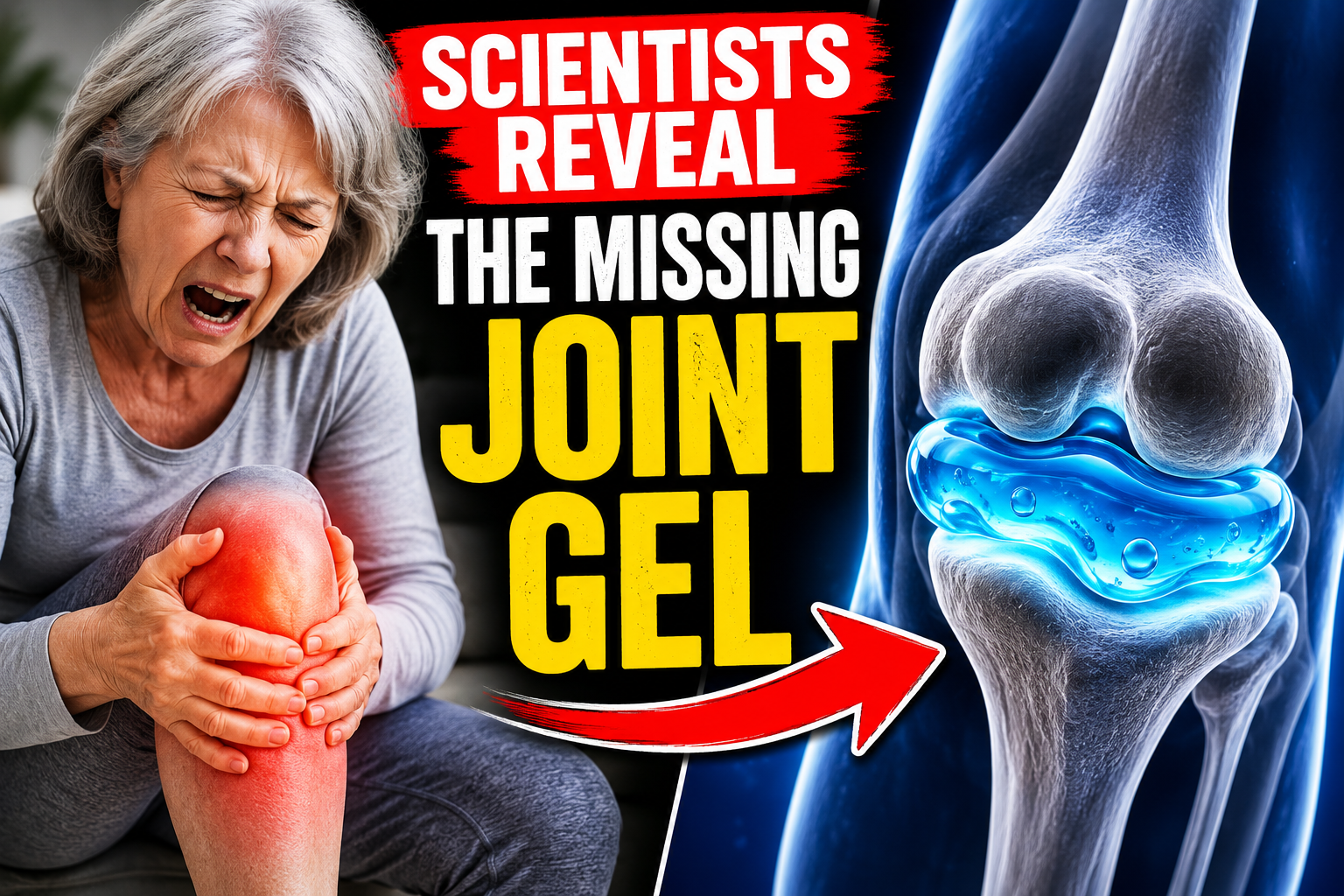
While studying aging and joint health, scientists found evidence that a thick, gel-like fluid inside your joints may play a much bigger role than anyone previously realized.
This fluid acts like your body’s natural shock absorber—helping lubricate your joints, cushion movement, and nourish cartilage. The problem is that it gradually declines as we get older.
That discovery led researchers to ask an important question: Why are some seniors still walking, gardening, working, and staying active well into their later years while others struggle with constant stiffness and discomfort?
The findings have been hard to ignore.
Clinical studies conducted in multiple countries have reported steady improvements in joint comfort, flexibility, mobility, stiffness, and quality of life.
Even more encouraging, thousands of people say they’ve been able to enjoy simple pleasures again—walking comfortably, taking care of the house, spending time with their grandchildren, and getting back to activities they thought were behind them.
“I can finally go for walks again and do everyday things that had become almost impossible.”
There’s a free video explaining this breakthrough.
In it, a physician walks through the science in plain English, explaining why many traditional approaches may miss the real issue—and what researchers have uncovered.
The presentation may not remain available forever. If you’d like to understand why this discovery is creating so much buzz, now is a good time to watch it before it’s taken down.
Copyright © 2024 Health Pro News LLC – All Rights Reserved
This site and the products and services offered on this site are not associated, affiliated, endorsed, or sponsored by Clickbank, nor have they been reviewed, tested, or certified by Clickbank.